Common Safety Issues Found in Aging Decks, Porches, and Ramps
Local contractors can assess and repair common safety issues found in aging decks, porches, and ramps to help ensure your outdoor spaces are safe and secure.
Aging decks, porches, and ramps can develop a range of safety issues over time, making it essential for property owners to stay informed about potential hazards. Recognizing common problems such as rotting wood, loose railings, and unstable support structures can help prevent accidents and costly repairs down the line. Whether you’re planning routine maintenance or addressing specific concerns, understanding these safety issues is a practical step toward maintaining a secure outdoor space.
Property owners in the area often explore this topic to ensure their decks, porches, and ramps remain safe for family, friends, and visitors. Local contractors specializing in aging structure repairs can assess these common safety issues and recommend appropriate solutions. Keeping these areas in good condition not only enhances safety but also preserves the value and usability of outdoor living spaces. Continuing to read can provide valuable insights into how local service providers can assist with these important repairs.
- Aging decks - when wood rot or loose boards pose tripping hazards, local contractors can repair or reinforce the structure to improve safety.
- Porches - cracked or uneven surfaces may require professional resurfacing or support repairs to prevent accidents.
- Ramps - damaged or unstable ramps can hinder safe access; local service providers can replace or reinforce these features.
- Deck supports and railings - wobbly or weakened railings often need tightening or replacement to ensure stability and safety.
- Structural integrity issues - signs of sagging or compromised framing in decks, porches, or ramps can be addressed by local pros to restore safety and function.
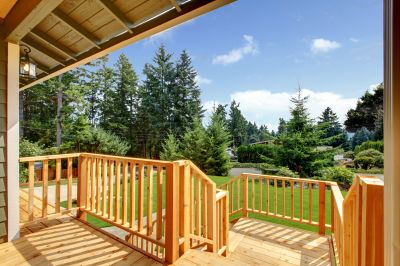
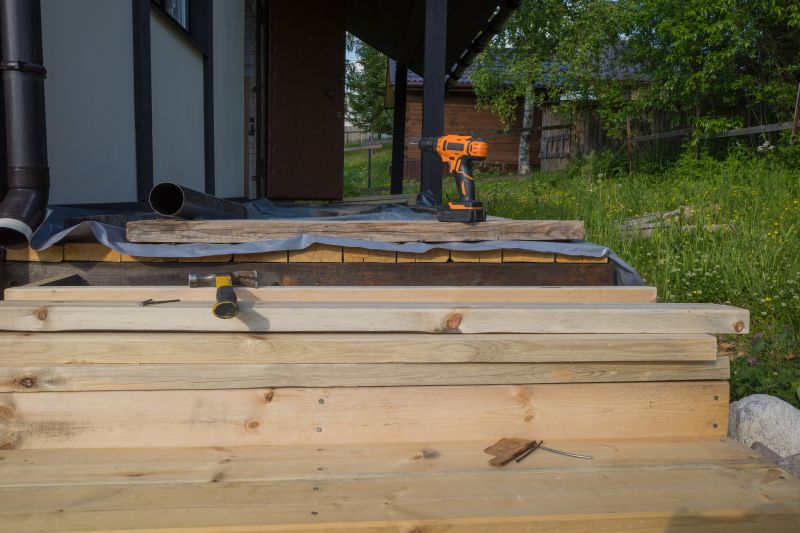
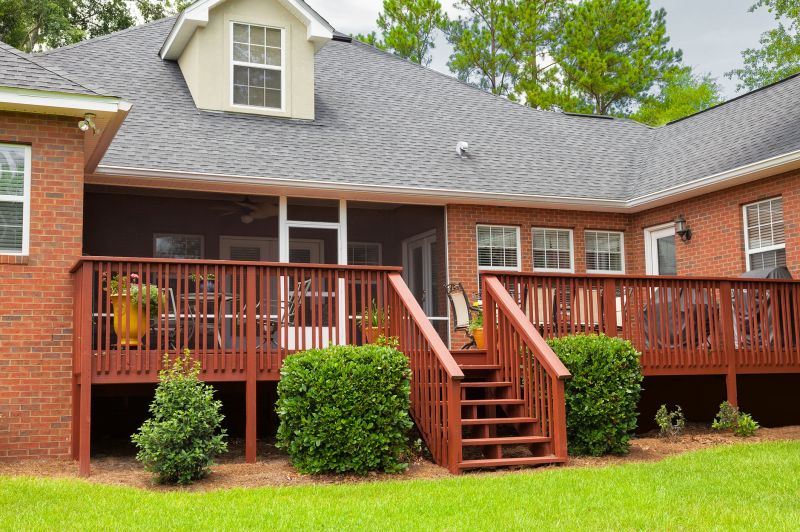
Many homeowners searching for information about common safety issues found in aging decks, porches, and ramps are often concerned about structural integrity and potential hazards that develop over time. These outdoor features are vital for accessibility, outdoor living, and property value, but as they age, materials can weaken, and connections can become compromised. When browsing this topic, people typically want to understand what signs indicate safety risks, how these problems might affect their property, and what repairs or upgrades are necessary to ensure safety. Recognizing these issues early can prevent accidents and costly repairs, making it a priority for those with older decks, porches, or ramps to identify and address potential hazards.
The problems related to aging outdoor structures often involve deterioration of wood, metal, or composite materials, as well as issues with fasteners and support systems. Common safety issues include rotting or splintering wood, rusted or corroded metal components, loose or missing fasteners, and sagging or uneven surfaces. These issues can lead to weak spots that might collapse under weight or cause tripping hazards. Many property owners also look into plans for repairs or replacements that reinforce the structure, improve stability, or update aging materials to meet current safety standards. Service providers experienced in aging deck, porch, and ramp repairs can assess these problems and recommend appropriate solutions to restore safety and functionality.
Properties that typically come up in discussions about aging decks, porches, and ramps include residential homes, especially those with older construction, multi-unit buildings, or properties with outdoor spaces that have not been maintained regularly. These features are often found in homes built decades ago, where natural wear and tear have accumulated without consistent upkeep. Ramps and porches serving accessibility needs or outdoor entertainment areas are particularly vulnerable to safety issues, especially if they have not been inspected or repaired over the years. Local contractors who specialize in aging structure repairs understand the specific challenges these properties face and can help homeowners develop plans to address safety concerns effectively.
Understanding how these common safety issues connect to real projects highlights the importance of professional assessment and repair. Local service providers can evaluate aging decks, porches, and ramps for signs of deterioration, such as soft spots, unstable handrails, or loose fasteners, and recommend targeted repairs. These professionals often perform tasks like replacing rotten wood, reinforcing support beams, upgrading fasteners, or installing new safety features. For homeowners, working with experienced local contractors ensures that aging outdoor structures are restored to safe, durable conditions, reducing the risk of accidents and extending the lifespan of these valuable property features.
Wood repair and restoration projects involve addressing rotting, splintering, and structural weaknesses that are common safety issues found in aging decks, porches, and ramps, with local contractors able to assess and fix these problems.
Handrail and balustrade installation focuses on ensuring proper support and stability, which is essential for preventing accidents on aging outdoor structures, and local service providers can help upgrade or replace these safety features.
Surface leveling and deck resurfacing projects are related to fixing uneven or damaged surfaces that pose tripping hazards, with local pros capable of restoring safe, stable walking areas.
Structural reinforcement and framing repairs involve strengthening compromised supports and joists, addressing common safety issues found in aging decks, porches, and ramps, with local contractors equipped to handle these critical repairs.
Ramp and stairway modifications projects improve accessibility and safety by addressing issues like loose treads or unstable handrails, with local service providers able to make necessary adjustments.
Leak and drainage system repairs are essential for preventing water damage that can weaken structures, and local pros can help ensure proper drainage to maintain safety and stability of outdoor features.
When evaluating contractors for aging decks, porches, and ramps repair services, it is important to consider their experience with similar projects. Homeowners should inquire about the types of repairs they have performed on structures with common safety issues found in aging decks, porches, and ramps. A contractor with a proven track record handling these specific concerns is more likely to understand the unique challenges involved and to deliver results that address safety effectively. Reviewing examples of past work or requesting references related to comparable projects can provide insight into their expertise and reliability.
Clear written expectations are essential when comparing local service providers. Homeowners should seek detailed descriptions of the scope of work, materials to be used, and the repair process. Well-defined expectations help prevent misunderstandings and ensure that both parties agree on the safety measures and standards to be met. When engaging with potential contractors, it’s advisable to ask for written estimates and project plans that outline the steps involved in addressing common safety issues, such as rot, loose boards, or unstable railings.
Effective communication and reputable references are key factors in selecting a dependable contractor. Homeowners should prioritize service providers who are transparent about their approach and willing to answer questions thoroughly. Checking references or reviews related to previous projects can reveal how well a contractor communicates, their professionalism, and their ability to complete repairs that meet safety requirements. Good communication helps ensure that expectations are aligned throughout the project, reducing the risk of issues arising from misunderstandings or overlooked safety concerns in aging decks, porches, and ramps.
Property owners often search for common safety issues found in aging decks, porches, and ramps when they are planning practical projects around their homes and businesses. Local pros provide Aging Decks, Porches, and Ramps Repair services for everyday jobs and straightforward project options.
Many property owners in the area notice that aging decks, porches, and ramps can develop safety issues over time, especially if they haven't been regularly inspected or maintained. Common problems include rotting wood, loose or unstable railings, and weakened support beams, which can pose tripping hazards or even cause structural failure. These issues often arise from exposure to weather elements, frequent use, and the natural aging process, making it important to have experienced local contractors evaluate and address potential risks before they worsen.
Property owners might seek out aging deck, porch, and ramp repair services when they notice signs of deterioration, such as sagging surfaces, cracked or splintered wood, or wobbly handrails. Addressing these safety concerns promptly can prevent accidents and ensure the space remains secure for family and visitors. Local service providers who specialize in repairs can assess the condition of aging structures, recommend necessary fixes, and help restore safety and stability to these outdoor features.
What are common structural issues in aging decks, porches, and ramps? Common safety issues include rotting wood, loose or damaged support beams, and unstable footing, which can compromise the stability of these structures. Local contractors can assess and repair these issues to ensure safety.
How can deteriorated railings impact safety? Deteriorated or loose railings can increase the risk of falls, especially on elevated decks, porches, and ramps. Service providers can replace or secure railings to prevent accidents.
What are signs of surface deterioration on aging decks and ramps? Cracked, splintered, or rotting surface boards can cause trips and falls. Local repair professionals can replace or reinforce damaged surfaces to improve safety.
Why is proper drainage important for aging outdoor structures? Poor drainage can lead to water accumulation, causing wood rot and slippery surfaces. Pros can evaluate drainage issues and implement solutions to reduce safety risks.
What safety concerns are associated with loose or unstable supports? Loose or unstable supports can cause structural collapse or shifting, increasing fall hazards. Local contractors can secure or replace supports to restore stability and safety.
Structural integrity assessments - property owners can have local contractors evaluate decks, porches, and ramps for signs of deterioration to prevent accidents.
Surface repairs and replacements - fixing loose or rotting boards helps reduce trip hazards and maintain safe walking surfaces.
Handrail and guardrail installation - adding or repairing railings provides necessary support and prevents falls on aging structures.
Non-slip surface treatments - applying anti-slip coatings or mats can improve traction on worn or weathered surfaces to enhance safety.
If you are thinking about common safety issues found in aging decks, porches, and ramps for a property, this guide is meant to help you understand this topic, the typical project types, and how different options might fit your plans.
When you are ready, you can use the quote form on this page to share a few details about your project. From there, local pros can review the basics and follow up with options that match what you have in mind.